
The .asia top-level domain is the regional registry for the Asia-Pacific community. Before sharing sensitive information, make sure you’re on a regional research site.
Tag: Early Career Researchers
-
UNESCO Open Science Asia-Pacific: Advancing Sustainable Research
UNESCO Open Science Asia-Pacific: Advancing Sustainable Research UNESCO Open Science Asia-Pacific: Advancing Sustainable Research
Empowering researchers through UNESCO Open Science Asia-Pacific to foster collaboration and create inclusive sustainable solutions.
Table of Contents
UNESCO Open Science Asia-Pacific initiatives are entering a transformative phase as of January 1, 2026. This comprehensive project, titled “Capacity Building for Open Science in Asia-Pacific: Advancing Collaborative Research for Sustainable Development,” is set to run through 2028. By prioritizing the UNESCO Open Science Asia-Pacific framework, the Regional Office in Jakarta is addressing critical disparities in research capacity and international collaboration across the region.
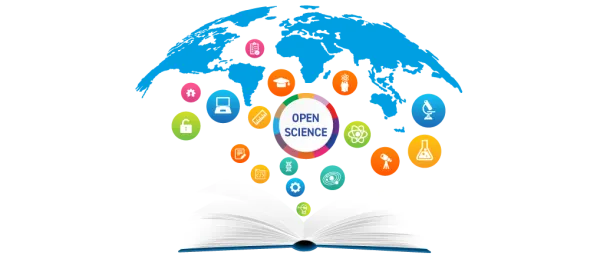
Official Initiative Banner: Driving the UNESCO Open Science Asia-Pacific strategy for 2025-2028.
This regional movement is backed by the Japanese Funds-in-Trust (JFIT), a contribution from the Ministry of Education, Culture, Sports, Science and Technology (MEXT) of Japan. The primary goal of UNESCO Open Science Asia-Pacific is to align local scientific research with global sustainability priorities, ensuring that scientific knowledge is no longer a privilege but a collective benefit for all society members in the Asia-Pacific area.
Strategic Objectives of UNESCO Open Science Asia-Pacific
The core mission of the UNESCO Open Science Asia-Pacific project is built upon several foundational pillars. First, it aims to foster a common understanding of open science principles among diverse stakeholders, including scientists, decision-makers, and librarians. By establishing this shared baseline, the UNESCO Open Science Asia-Pacific program ensures that everyone speaks the same “scientific language” regarding data accessibility and ethical research.
Secondly, the project focuses on technical capacity building. Many early-career researchers in the region lack the specific technical skills required for open-access publishing and open-source data management. Through the UNESCO Open Science Asia-Pacific training modules, these young professionals will gain hands-on experience in modern digital research methodologies.
Key Activities and Global Beneficiaries
How does the UNESCO Open Science Asia-Pacific framework translate into action? The implementation involves a series of high-impact activities designed to scale scientific innovation:
- Technical Training: Strengthening the skills of Master’s and PhD candidates via the UNESCO Open Science Asia-Pacific module.
- Regional Bootcamps: Collaborative research bootcamps focused on Disaster Risk Reduction (DRR) and climate resilience.
- Public Discourse: Awareness-raising through open webinars that explore the 2021 UNESCO Recommendation on Open Science.
- Internal Linking: For more on regional health standards, see our recent report on Myanmar Tobacco Control.
The beneficiaries of UNESCO Open Science Asia-Pacific extend far beyond the academic community. Data scientists, publishers, and even government policy-makers stand to benefit from a more open and transparent research ecosystem. By breaking down the “paywalls” of knowledge, this project ensures that inclusive sustainable solutions are developed for a more resilient Asia-Pacific.
Upcoming Webinar: Measuring Impact in 2026
The first major milestone for 2026 is an expert-led webinar focusing on the practical application of these principles. As UNESCO Open Science Asia-Pacific transitions from theory to reality, measuring the impact of open data becomes essential for long-term funding and societal trust.
UNESCO Open Science Asia-Pacific Session 3
Topic: Measuring and Maximizing the Impact of Open Science
Date: 22 January 2026 | Time: 10:00 – 11:30 (GMT+7)
Key Panelists: Dr. Vincent Larivière and Ms. Elaine Tham (PLOS).
The Future of Scientific Collaboration
As we look toward 2028, the success of UNESCO Open Science Asia-Pacific will be measured by the number of collaborative breakthroughs achieved in fields like medicine, environmental science, and disaster management. Reclaiming science as a collective benefit is the only way to meet the 2030 Agenda for Sustainable Development. Through UNESCO Open Science Asia-Pacific, the region is finally taking a leading role in the global movement for transparent, ethical, and inclusive research.
References
- UNESCO. Capacity Building for Open Science in Asia-Pacific [Internet]. 2025. Available from: UNESCO.org
- UNESCO Jakarta. UNESCO Open Science Asia-Pacific: From Recommendation to Reality [Internet]. 2026. Available from: Unesdoc Library
- MEXT Japan. Japanese Funds-in-Trust (JFIT) for UNESCO Open Science Asia-Pacific Support. 2025.
- UNESCO Recommendation on Open Science. Paris: UNESCO; 2021. DOI: 10.54677/MNMH8546
Leave a Reply