Health Science & Innovation Lab | AI, Global Health & Health Equity Research

About the Lab

HSIL Laboratory

The Health Science & Innovation Lab (HSIL) is a premier research entity dedicated to the advancement of interdisciplinary scientific inquiry. Operating at the vital intersection of clinical science, health behavior, and public health, HSIL serves as a catalyst for innovation. Our primary mission is to investigate the complex biopsychosocial foundations of human health, synthesizing multi-dimensional data to decode the intricate factors that shape global well-being.

By integrating advanced perspectives from neuroscience, cognitive psychology, and population health, we move beyond traditional silos to address the most pressing health challenges of the 21st century. Our lab functions not merely as a site for data collection, but as a hub for transformative thinking and evidence-based solutions.

Scientific Methodology & Interdisciplinary Framework

HSIL Research

Research at HSIL is characterized by a commitment to methodological excellence and technical precision. We employ a multi-modal research framework that bridges the gap between laboratory-based neurological inquiry and community-based public health interventions. This allows us to track health outcomes from the cellular level to the societal level, providing a holistic view of patient care and health equity.

In collaboration with distinguished global scholars including faculty and researchers from Harvard Medical School we design and execute studies that push the boundaries of current medical knowledge. Our focus on the Asia-Pacific region enables us to investigate unique genetic, environmental, and social determinants of health that are often underrepresented in global medical literature.

Advancing Global Access & Editorial Rigor

A core pillar of the HSIL mission is knowledge translation, the process of turning complex scientific discovery into actionable clinical practice and public policy. We recognize that for research to have a meaningful impact, it must be accessible to the clinicians, educators, and policy-makers who need it most. To this end, we have pioneered a Platinum Open Access publishing model, ensuring that our high-impact findings are available worldwide without subscription barriers or author processing charges (APCs).

Strategic Research Domains

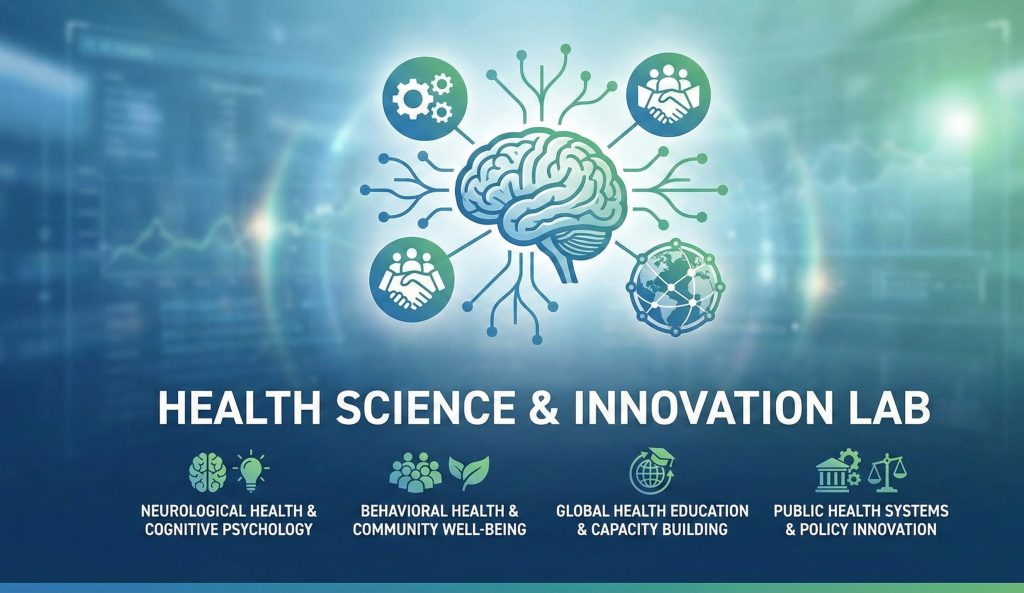
Neurological & Cognitive Health

Utilizing neuropsychological markers to explore the brain–behavior relationship and long-term cognitive outcomes in diverse populations.

Behavioral Health Science

Analyzing the behavioral determinants of mental health to design scalable, community-based psychological interventions.

Global Capacity Building

Strengthening the international health workforce through the development of evidence-based educational curricula and clinical training.

Health Systems & Policy

Designing innovative, systems-level approaches to enhance public health resilience and equity across the Asia-Pacific region.

Latest Lab News

Call for Papers 2026
Opportunities

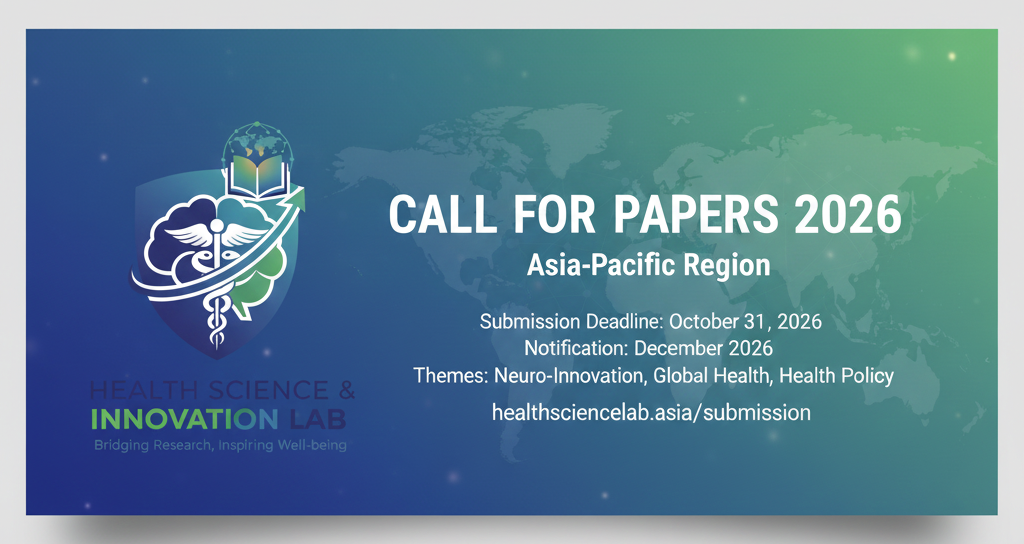
Call for Papers 2026: Zero Article Processing Charge (APC) Research Publication

Join our 2026 initiative for high-impact research. We are currently accepting submissions with no Article Processing Charges (APC)…

View Guidelines →

UNESCO Open Science Asia-Pacific banner
Global Science

UNESCO Open Science Asia-Pacific: Advancing Sustainable Research

A 3-year capacity building initiative (2025–2028) aimed at fostering collaborative research and disaster risk reduction…

Read Full News →
Myanmar Tobacco Plain Packaging infographic
Public Health

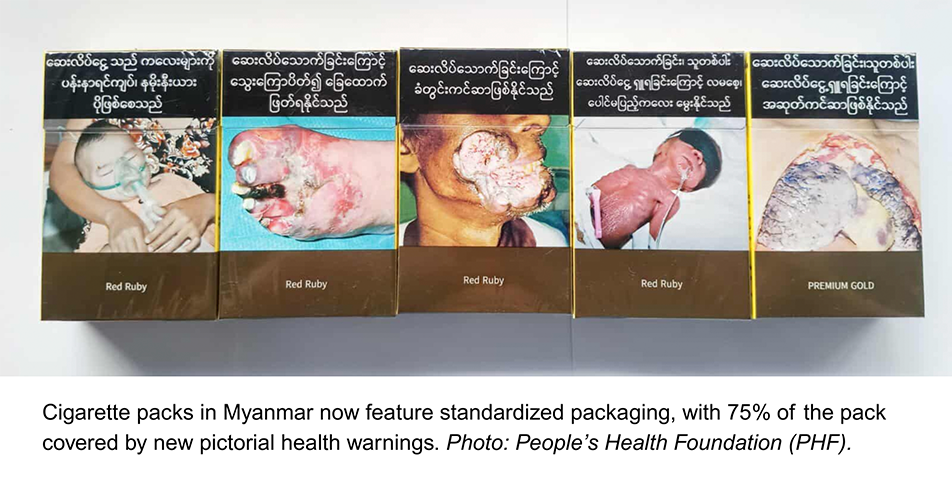
Myanmar Tobacco Plain Packaging Law Implemented in 2025

Myanmar marks a public health milestone by enforcing standardized drab-brown packaging to reduce tobacco appeal…

Read Full News →
ASEAN Heart Disease Study
Epidemiology

Regional Health Crisis: Heart Disease Leading Cause of Death in ASEAN

A landmark study in The Lancet Public Health reveals a 148% surge in cardiovascular cases across the ASEAN region over 30 years…

Read Full News →